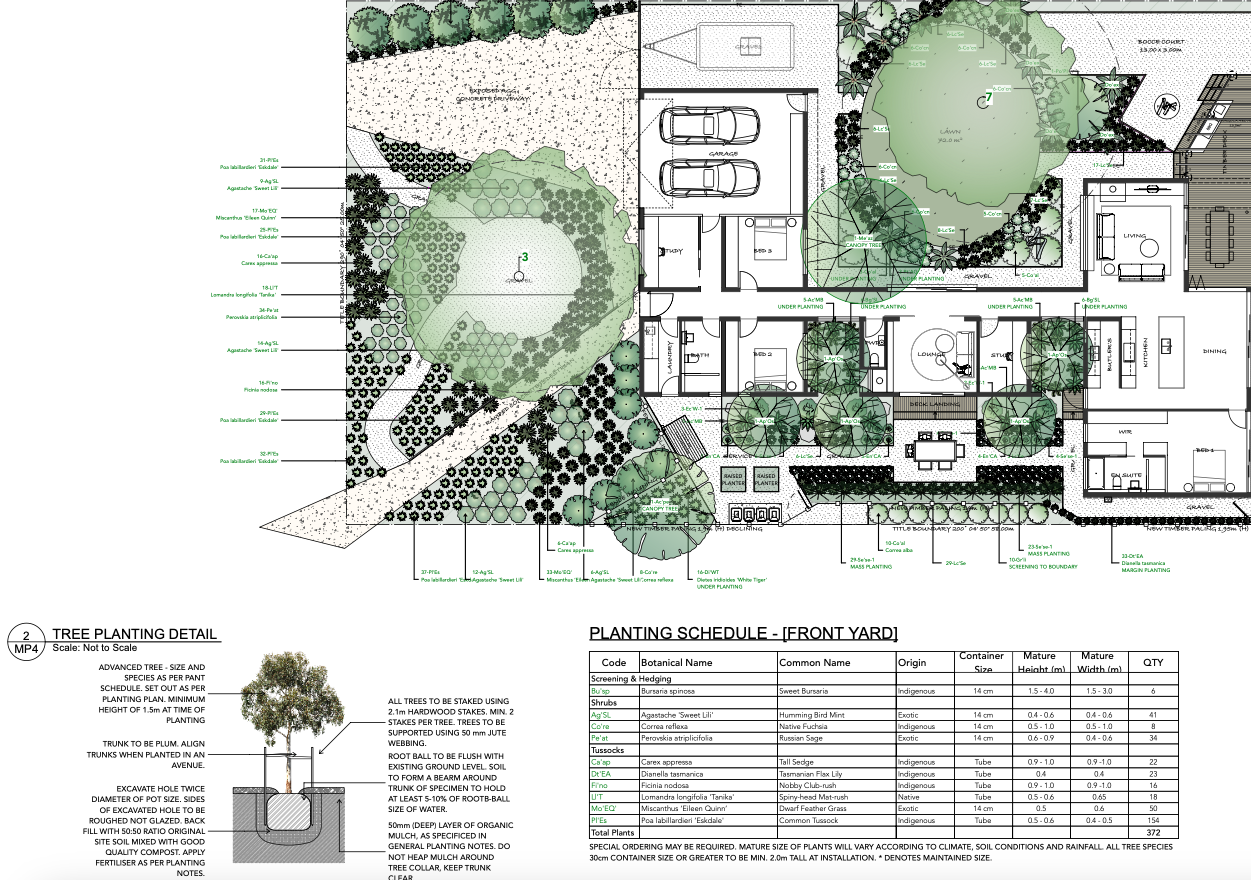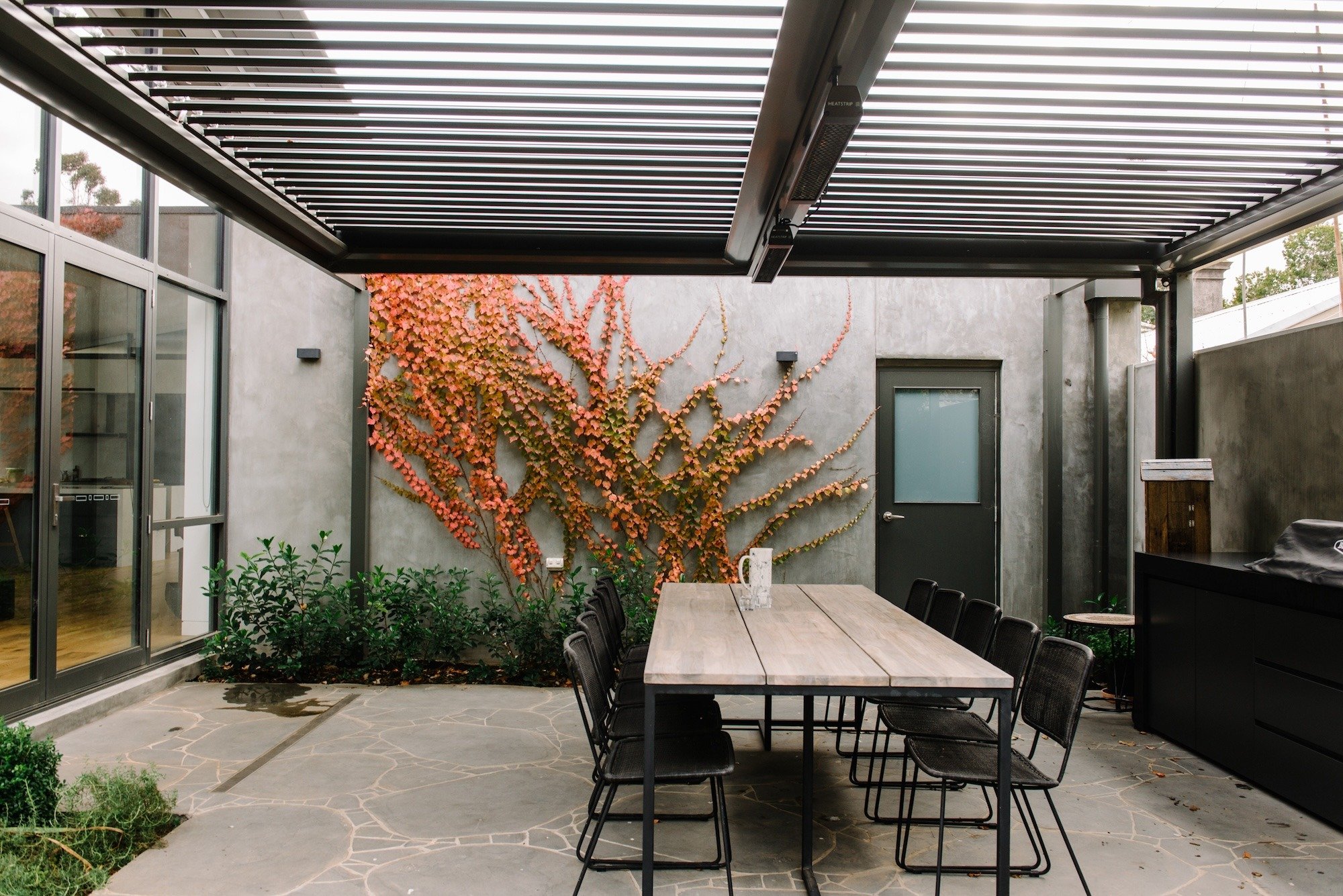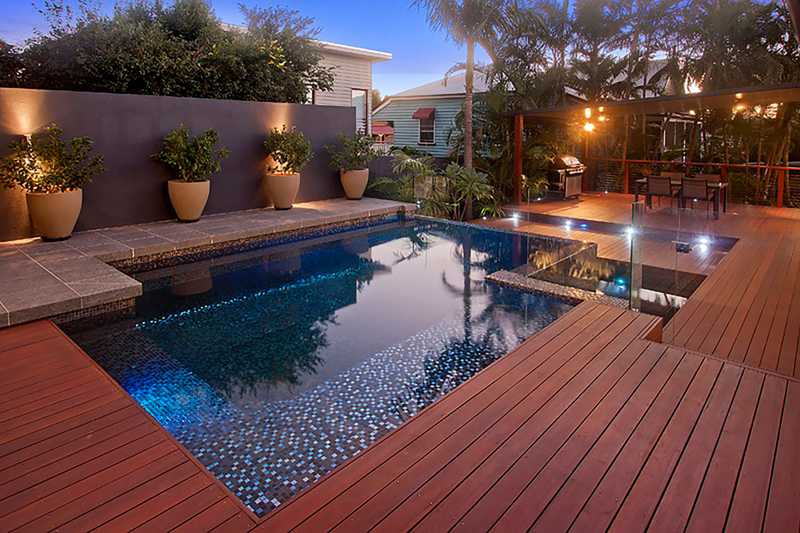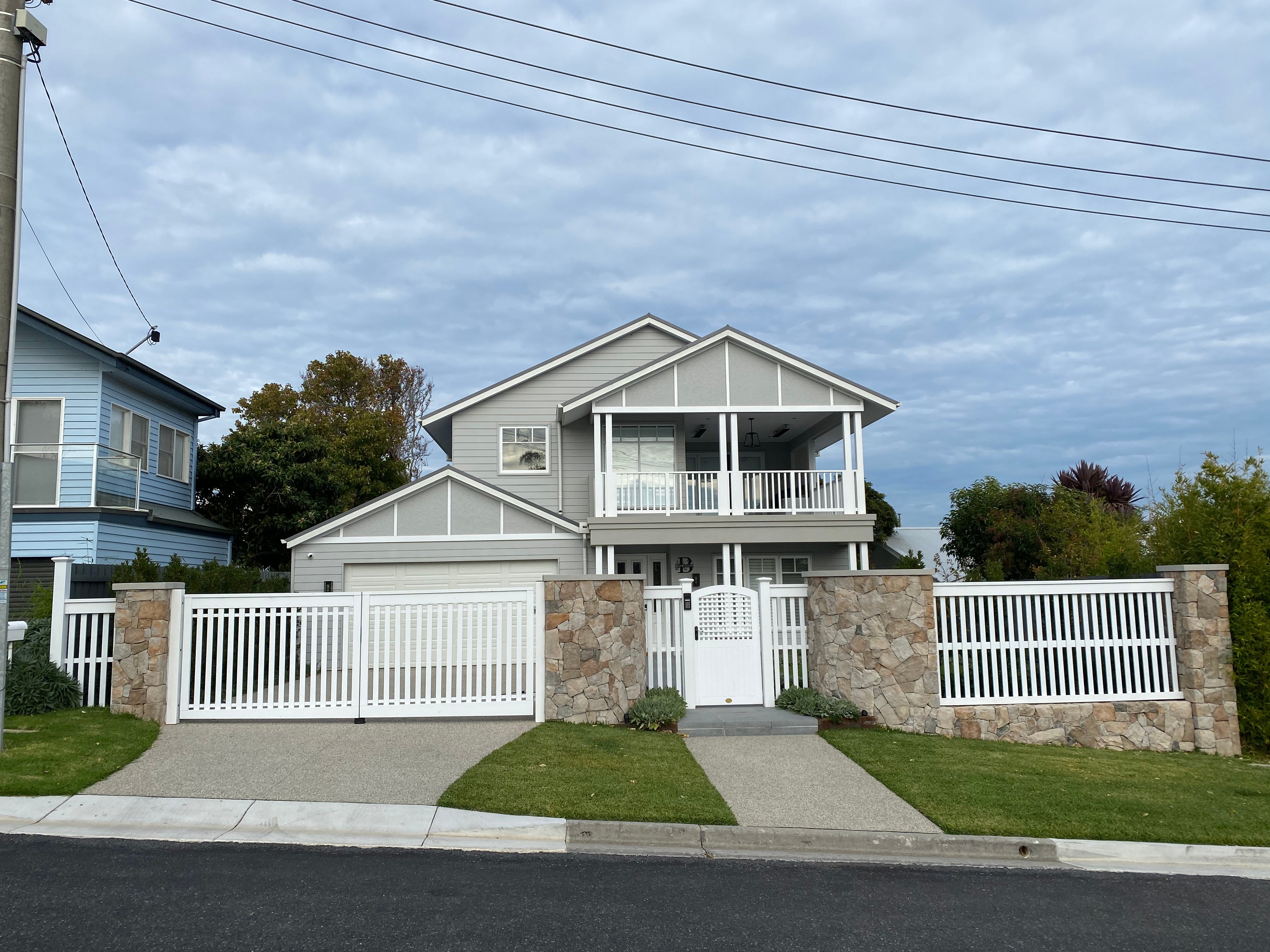
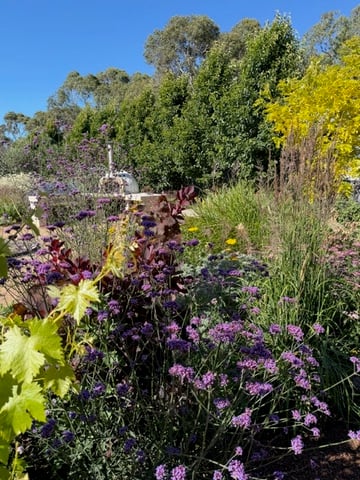
Do you have some ideas in mind for what you'd love your garden to look like?
Have you been looking at gardens online, in magazines or in person, imagining how wonderful a new garden would be?
Are you at the point where you really want to do something about your existing garden?
If this is you, then this article is one you must read. It will help you overcome the first, and often the most challenging barrier to getting started - and that's knowing where to start!
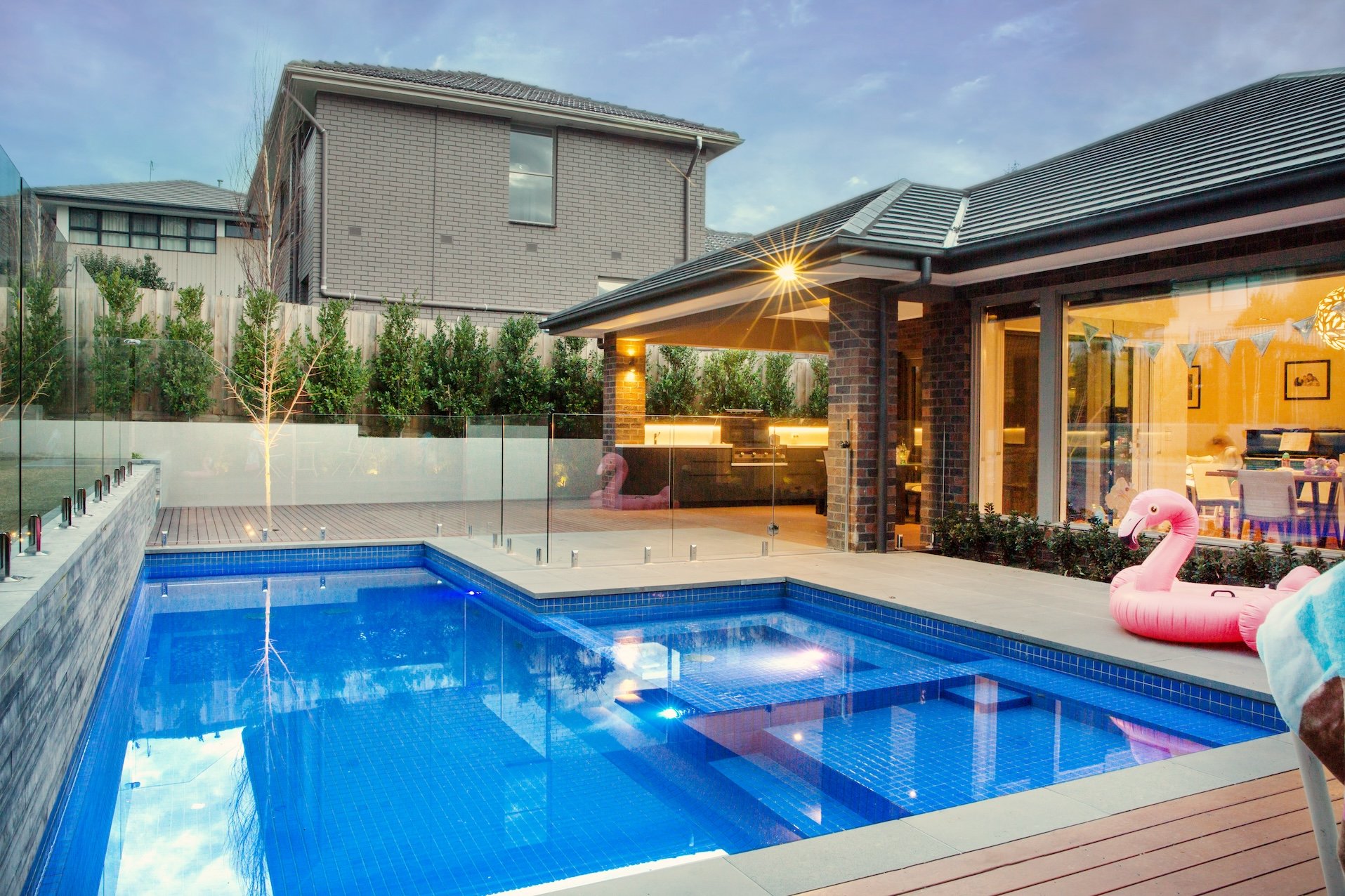
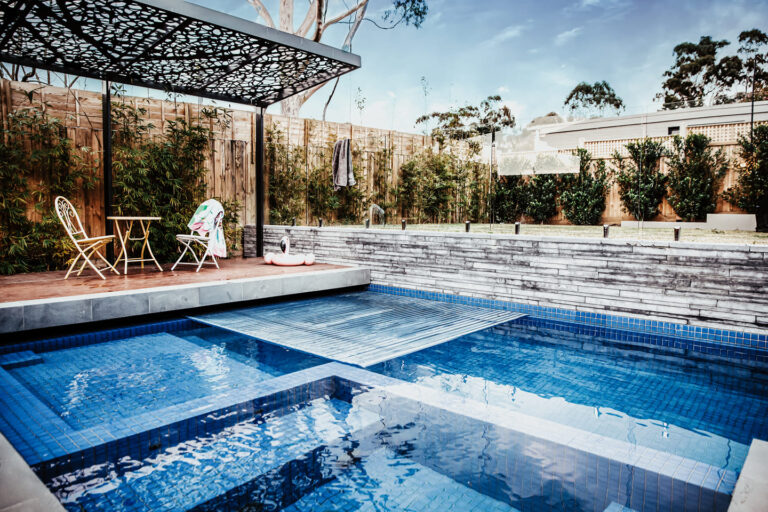
You might already know the elements you’d love to include in your new garden - a pool, decking, outdoor kitchen, firepit, veggie garden, basketball court? Perhaps you feel drawn to a certain style of garden, or you can picture the feeling you want the space to create.
But then comes the hardest part:
How do you bring everything together into one cohesive garden that feels right — and lives up to what you’ve imagined?
That’s where your real journey begins. (And where we can help you!)
Your ideas are the foundation of a new garden
Your ideas, desires, and dreams are not just helpful to the creation of a new garden - they are essential to it.
To state the obvious:
It's your garden. Your home. Your dream.
Anyone who becomes involved in the process should be there to support your vision, not replace it.
The hallmark of a truly great landscape designer is someone who doesn’t take over the creation of your new garden. They should simply help you shape what you already have in mind and what you already want into something achievable, functional, and beautiful.
They should draw out of you - your hopes, your dreams, your aspirations and your inspirations - and turn them into a garden you love.
If the designer takes too much responsibility for creating the garden away from you, without allowing enough input from you, the project can slowly drift away from what you had originally imagined.
Your dream for your garden must be nurtured.
But that doesn’t mean it shouldn’t be challenged.
Sometimes we find clients will request something that might sound right to them in theory. But our designers, with years of experience under their belts, know that it won't actually deliver, in reality, what the client imagines it might.
In those moments, you want a designer with the confidence to offer you alternatives that will still enhance your vision — not stray from it.
Finding the right designer to guide you
So, how do you find the “right” designer for your new garden project?
You could say:
“Someone I feel comfortable with.”
And while that is true, personality alone just isn’t enough.
Landscaping your new garden is a significant investment. Often it can be the second most expensive investment you make, next to actually buying your home. So choosing the right professional requires careful consideration.
Here are some key measures to evaluate your new garden designer against:
- Their overall experience
- Their experience in the style of garden you want
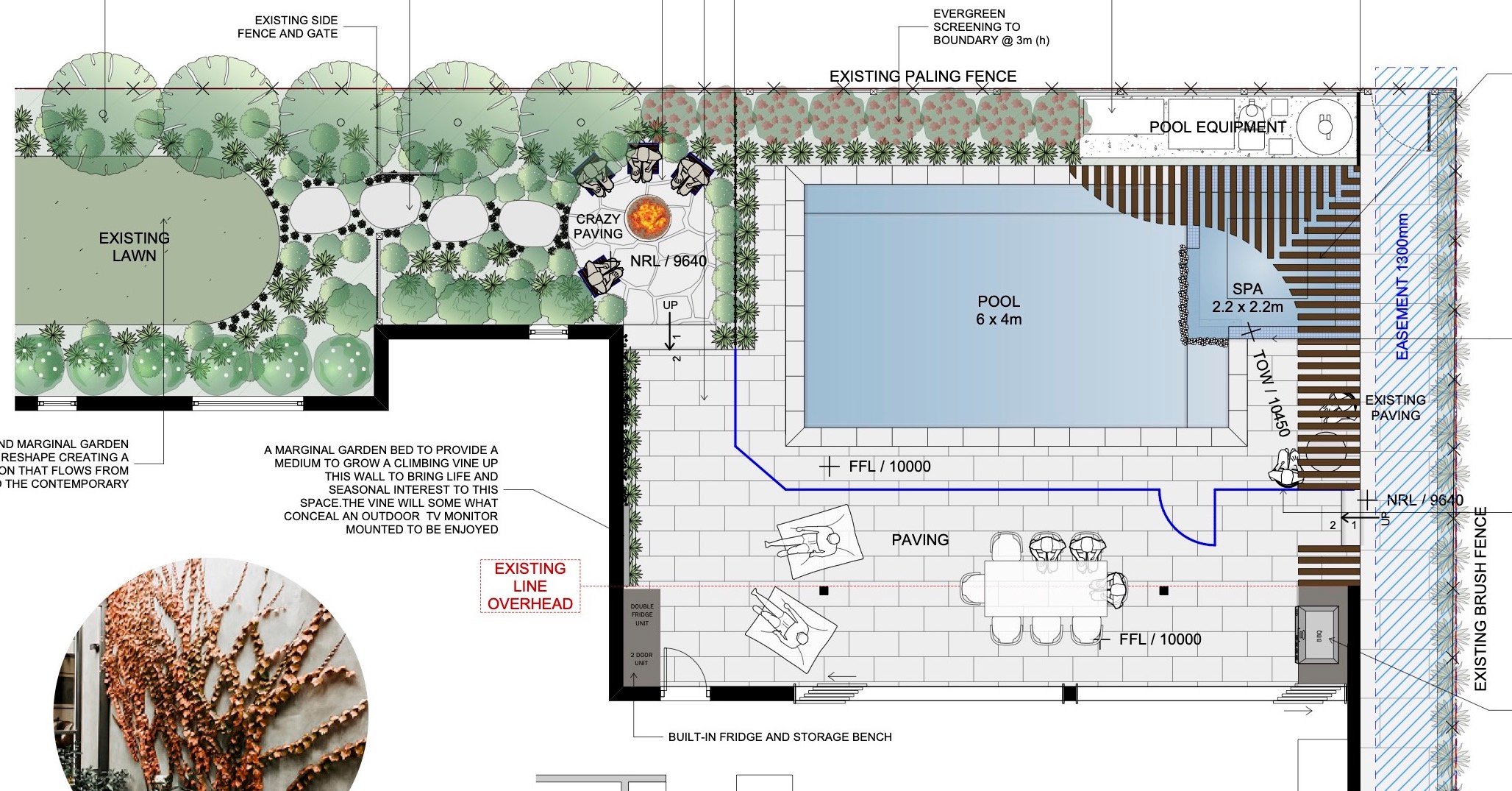
- Knowledge of compliance and building requirements (easements, permits, regulations)
- The level of horticultural expertise your garden will need
- Their availability for consulting during the construction phase
- Their ability to work with trusted landscapers (if they don’t build themselves)
- Proof of completed projects and reviews from happy clients
A designer’s work should exist not only on paper, but in real gardens, with real results. They should be able to show them to you.
What should your designer actually be doing?
A smart landscape designer should take what we call the “doctor approach”:
Observe. Listen. Evaluate. Offer Solutions.
That may sound obvious, but it’s surprisingly easy for this process to go wrong.
For example:
If your chosen designer believes every garden should be native and drought-focused, yet you love lush exotic planting, the design they present may miss the mark entirely — and you’ll feel disappointed.
Or, if your designer has limited experience, they may suggest ideas that lack creativity or lead the project in the wrong direction.
The best designers continually cycle through observation, listening, evaluation, and suggestion with clients, until the garden is complete.
Observation
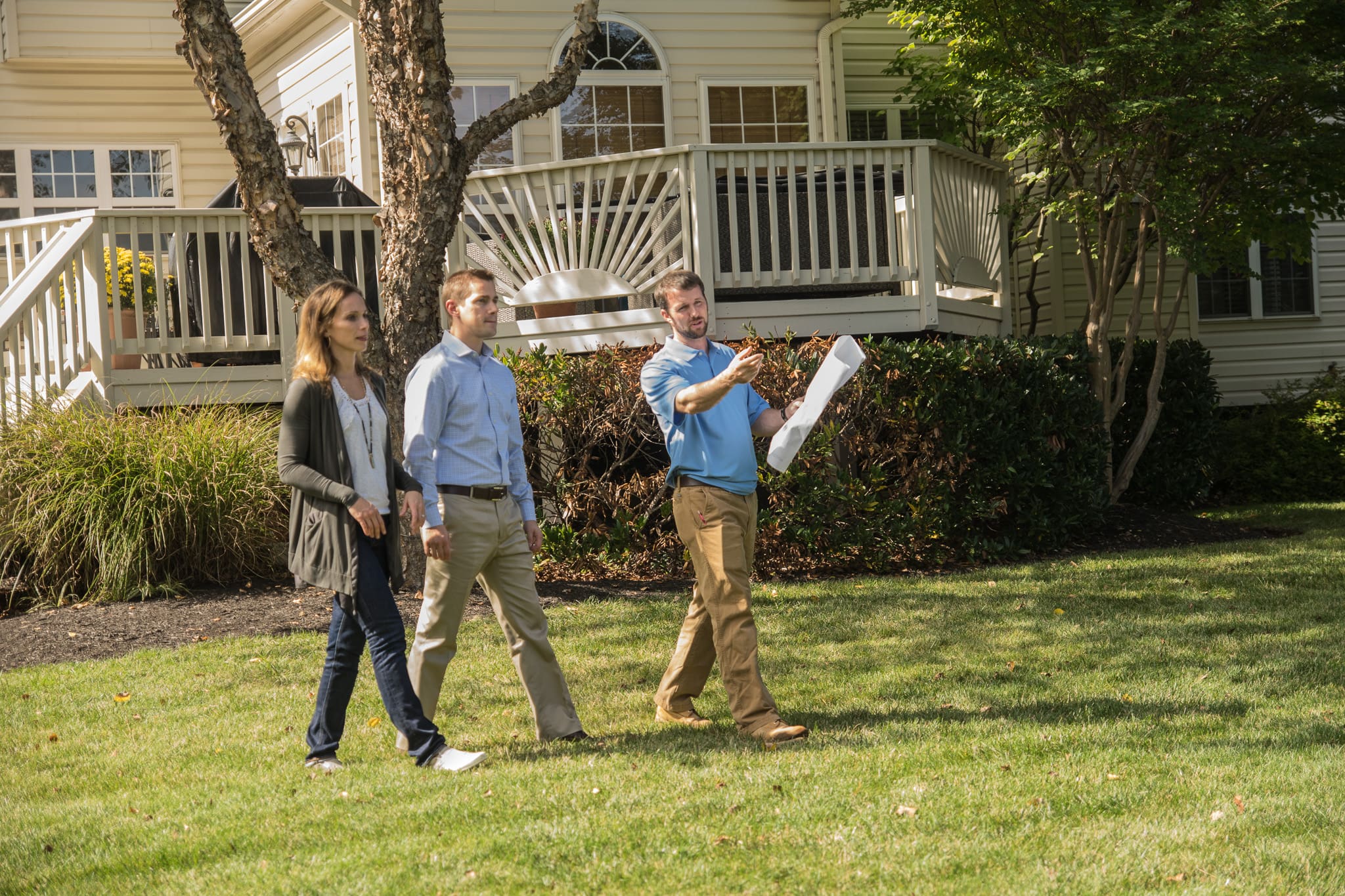
This means seeing what is actually there or noticing things that others might overlook. For example:
- A wet zone in the garden that may affect drainage
- A neighbouring property that is likely to be rebuilt as a two-storey house, which will then shade the garden
- Site access challenges during garden construction
- How the sun moves through the space
- What indigenous plants in the local area are thriving and growing well
- What challenges the site has due to size, shape or slope
Great design starts with seeing things clearly as they are, as well as seeing the potential in them.
Evaluation
Evaluation comes through asking thoughtful questions, such as:
“How do YOU entertain your friends and family?”
“How many people do you tend to host?”
“Do you gather around a fire outdoors, or prefer lounge-style seating?”
Your new garden design must match your lifestyle, as much as your personal taste and aesthetics.
Offering Suggestions
A good designer’s role is to contribute ideas that inspire and elevate your new garden's concept. But the process of doing that might include suggestions that initially do not sit well with you. It's only by exploring options that sometimes trigger or draw out considerations you didn't know you had, that the right solutions can be found.
As we often tell our clients:
“We may initially suggest things you do not like - and that’s fine. We’ll keep exploring alternatives with you until it all feels right.”
That collaborative process between you and your designer is what creates outstanding gardens.
The key steps to success in landscape design
To help you understand the journey you will undertake in the creation of your new garden, here is a simplified overview of what should happen:
- A designer should constantly ask questions and respectfully challenge ideas
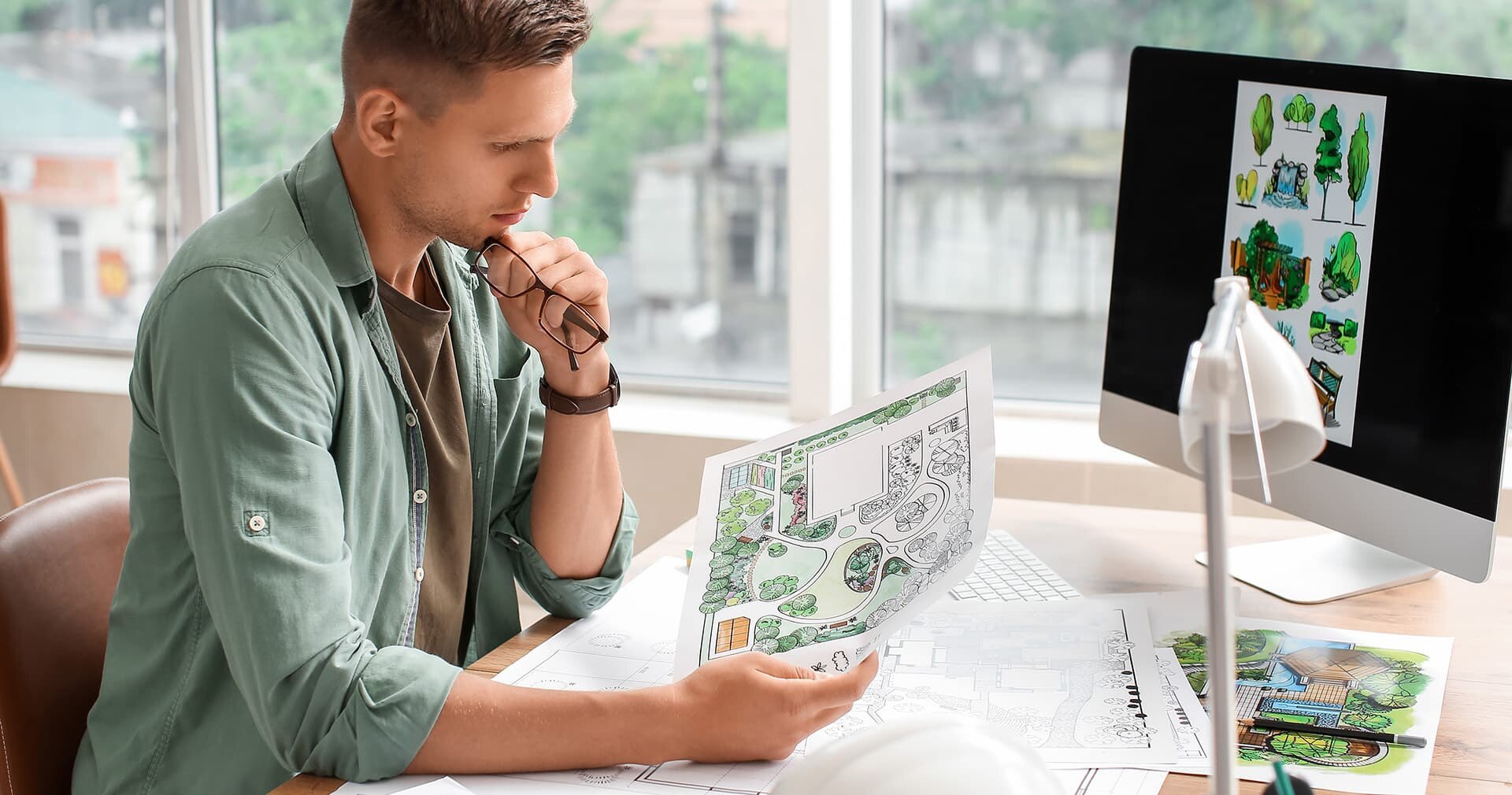
- Together, you create a design brief — a written record of what matters most
- Pools, entertaining spaces, sheds, planting preferences, pet considerations
- And remember: the brief evolves as the design evolves
- A designer’s key contribution is offering ideas that enhance your vision
- Compliance and site constraints must be identified early
- Costing must be aligned with the design, so expectations stay realistic
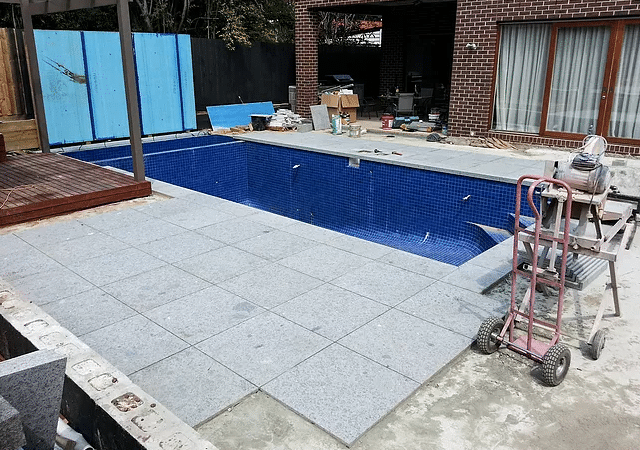
- If design and construction are separate, the designer should coordinate closely with the landscaper
Q&A
How will I know if my ideas are the best option?
The answer to this will become clearer after you've met with and briefed your designer and seen what they come back to you with as a 'Concept Design'.
The proof of how well developed any idea is, is can it be successfully incorporated into a garden design in a way that is both appealing and useful.
When it comes to suggesting ideas, that might not be right, you want someone who can say:
“Let me offer another approach here…”
But you want that to come from someone who is not so attached to their own ideas that they override yours.
A balance between designer and client is what makes collaboration successful.
How do I evaluate whether a designer is the right fit?
Your first two starting points to answer this question should be:
- Their website and portfolio
- Client reviews and testimonials
Also, you should pay attention to what they share publicly, say via social media, as this often reveals how they think and what they value.
What can I do to be confident in my choice?
Before committing to any landscape designer or landscape architect you should expose yourself to examples of great gardens:
- Visit friends’ gardens and notice what you’re drawn to, what you like and don't like
- Attend Open Garden Scheme events
- Explore material suppliers like Eco Outdoor or Yarrabee Stone - for touch & feel
- Pay close attention to paving, cladding, planting combinations, and outdoor layouts
The more you see, the clearer your own vision for what style of garden you like will become clearer.
In summary
Landscaping a new garden for your home is a major investment - not just financially, but emotionally. It can feel a bit challenging, even overwhelming.
You want someone who can guide you through it all, from start to finish. Everything from design to construction. It's so much easier to have only one point of contact through the whole thing. (That's what we've been doing for over 35 years at Whyte Gardens. We've done it for nearly 600 gardens now.) We specialise in architectural gardens for discerning homeowners.
Ultimately, the best gardens are created when your vision is respected, your lifestyle is understood, and the right professional guides you through the process from dream to reality.

Topics: