
Do you consider the traditional approach of designing the garden, then landscaping the garden, the best approach?
Is there another approach with far more gain and less pitfalls?
We believe creating a new garden should work in tandem, ie designer & landscaper.
What is the Whyte Gardens Tandem Approach?
Tandem implies a dual and synergistic approach where the landscape designer and the landscaper work alongside one another, each contributing their expertise at the right time, in the right way.
It is not design first, build later.
It is a collaboration, right from the beginning.
What is missing in the traditional approach?
Landscape architects are like architects who design homes in that they are traditional in their approach. Create the design, then give it to a builder to cost.
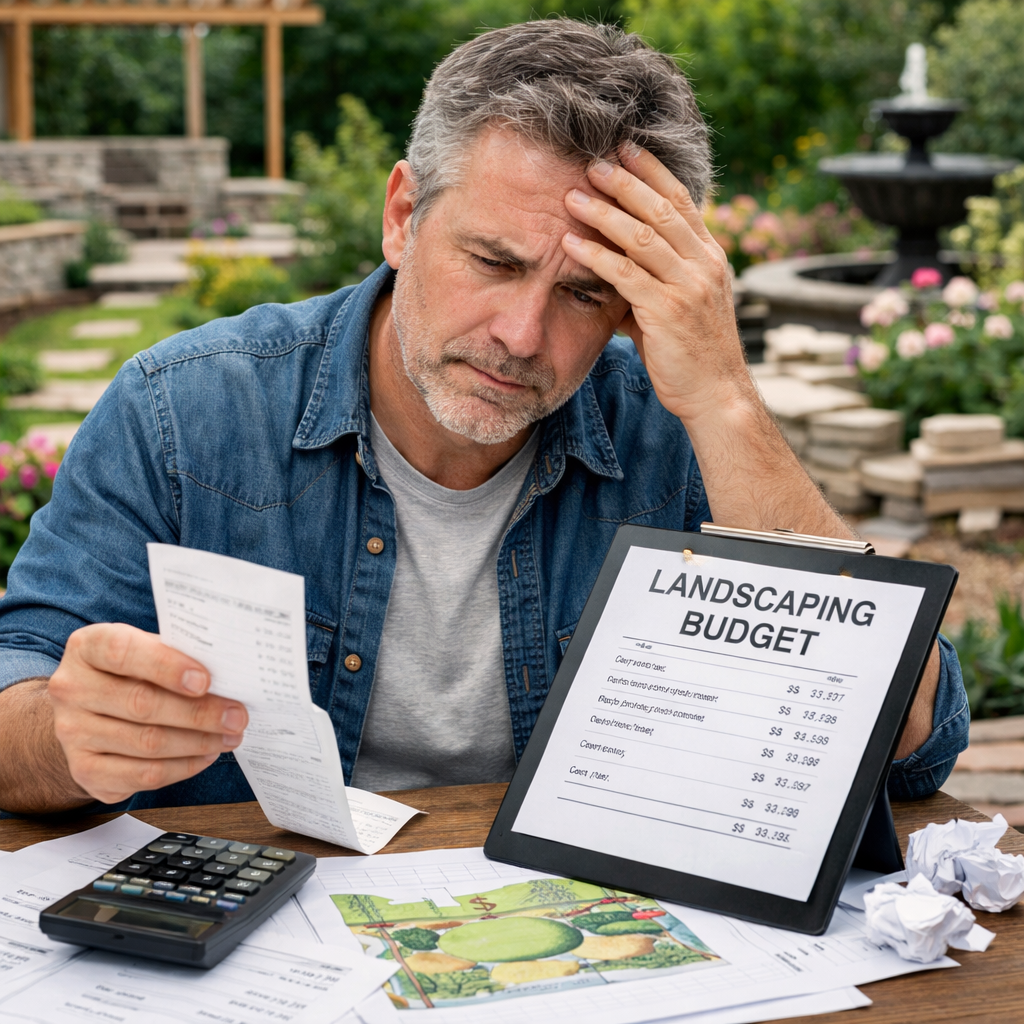
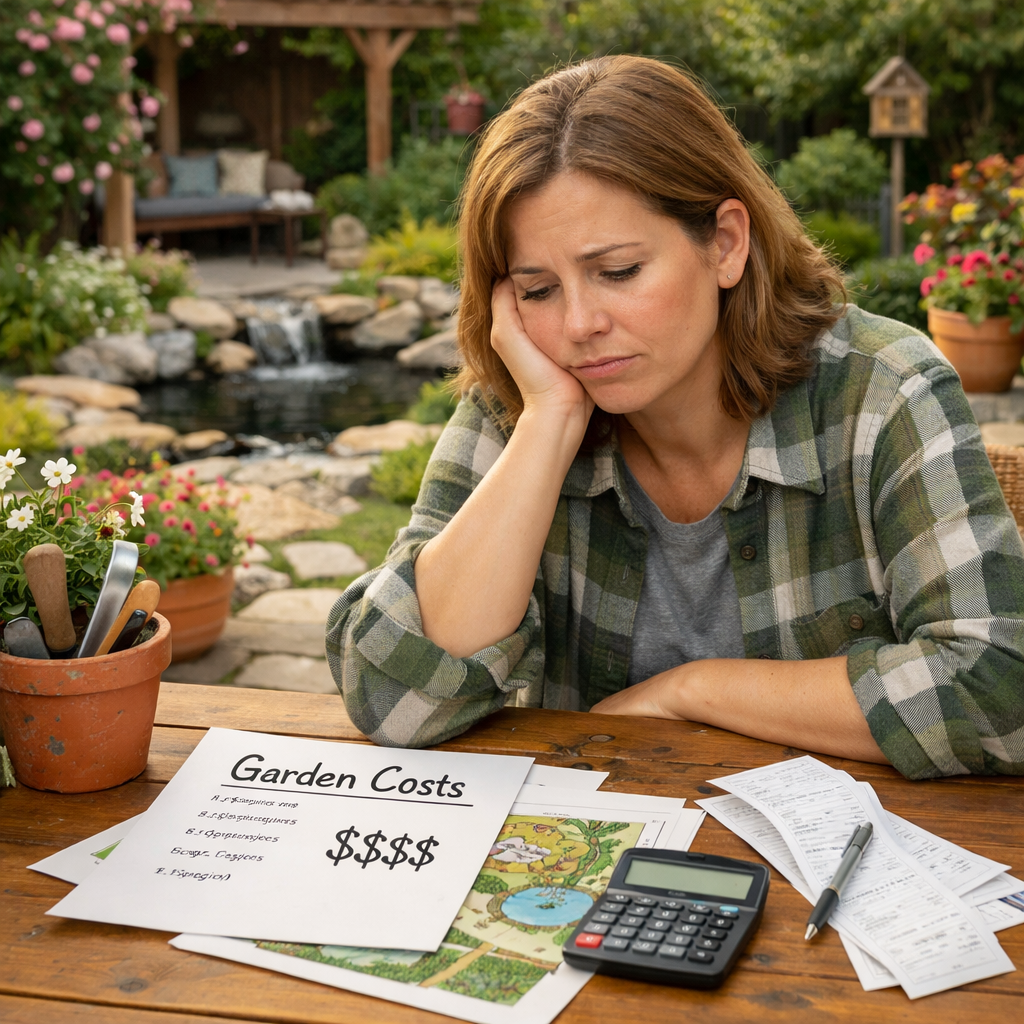
Unfortunately, you may have heard stories of people saying, "I paid my architect a small fortune to design my dream home, only to have a builder crush my dreams. I almost went into shock when told the cost to build" - and in most cases, the dream is abandoned or considerably reduced, and the stain of heartache lingers.
So what went wrong, what's missing?
Feasibility!!
And how should feasibility be addressed?
How is feasibility handled in the tandem approach?
The designer and landscaper have very separate roles.
The designer does not build, and their familiarity with the costs associated with landscaping is limited.
The landscaper is the one to provide costs for the various elements of landscaping.
So, it falls under the domain of the landscaper to establish the feasibility of the project in terms of cost.
The sooner this can be done, the sooner you are able to direct decisions that balance the design with the budget. But more than this, a landscaper also provides their experience on what is feasible in terms of access to the site, logistics of carrying the landscaping out, and other roadblocks that may be in the way. These are all considered early on and discussed with the designer. Then, the designer can design according to this valuable information and avoid the calamity of a major redesign, once the landscaper would traditionally first view the design.
The role of the Landscape Designer: vision and direction
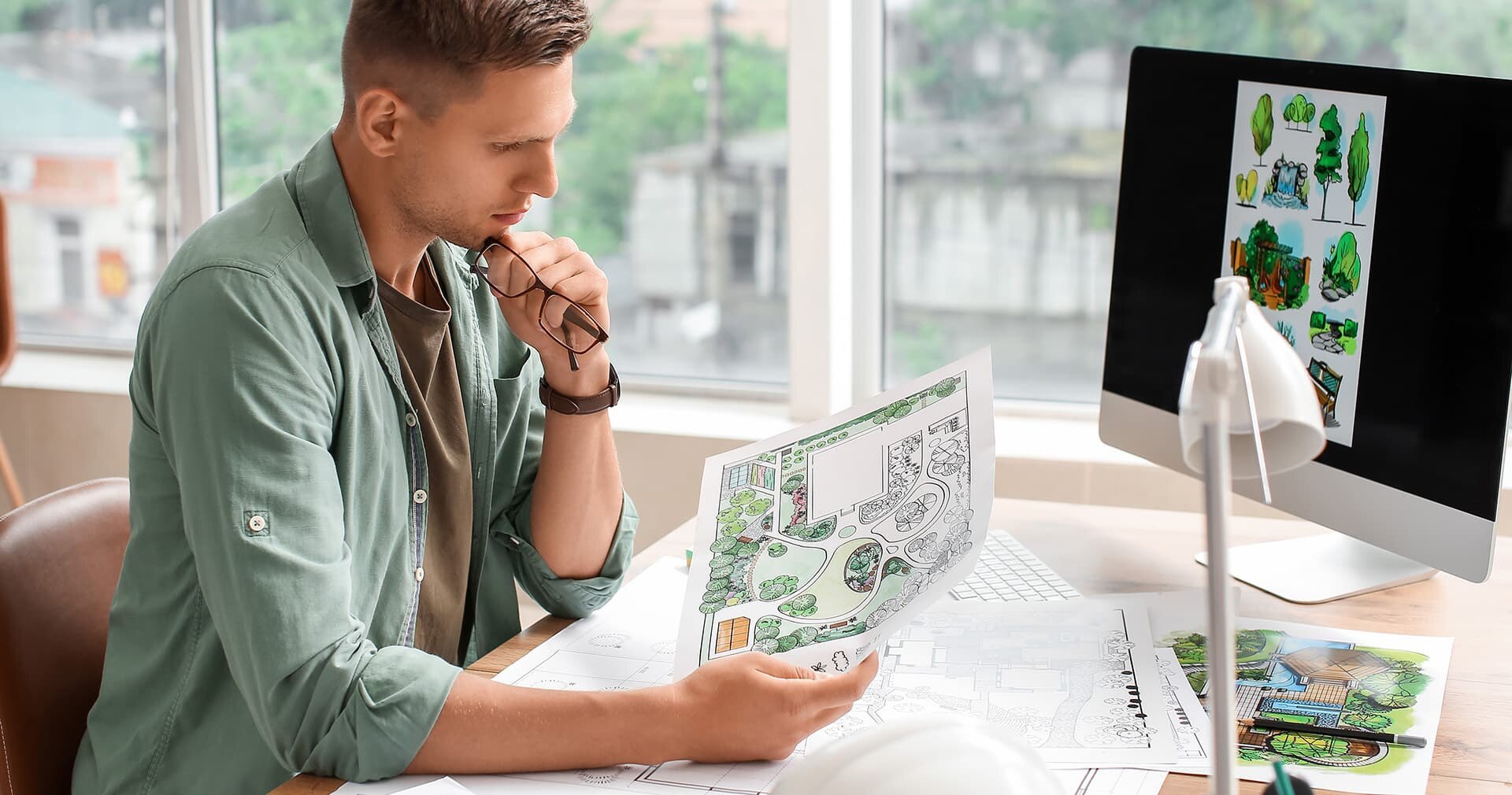
In the creation of a new garden, it is the landscape designer who generates the creative vision for the whole project.
Through conversations with you, they interpret your lifestyle, architecture, and aspirations. They shape the space, balance proportions, consider how people will flow through the space, and enjoy the garden experience.
They are responsible for:
- Developing the Concept Design and Master Plan
- Defining the garden layout and spatial flow
- Selecting materials and finishes
- Designing planting schemes
- Ensuring aesthetic cohesion
- Consider sightlines, scale, and balance and more...
As the design for the garden develops and becomes more detailed, the designer also liaises with:
- Engineers (for structural elements, such as retaining walls, pergolas, etc.)
- Councils or other relevant authorities for permits
- External suppliers and contractors such as:
- Pool builders
- Outdoor kitchen installers
- Plumbers, electricians
- Louvre pergola suppliers
- Lighting specialists
It is the designer who ensures all these elements align with the overall vision.
They remain the custodian of creativity.
The role of the Landscaper: feasibility and delivery
While the designer shapes the overall vision for your garden, the landscaper works alongside them to ensure the project is buildable, practical, and cost-aware.
The landscaper contributes to this by:
- Reviewing construction feasibility
- Providing cost input as the design details evolve
- Advising on build sequencing
- Assessing site access and logistics
- Planning drainage solutions
- Identifying practical site constraints
- Refining material quantities and installation methods
As more details are resolved in the garden's design, the landscaper formulates landscaping costs in real time - ensuring design ambition and budget remain aligned.
This prevents a common problem of a designer creating a finished design that later proves financially unrealistic.
The landscaper thinks about:
- How materials will be delivered
- Where the machinery will operate
- How levels will transition
- How water will move through the site
- How to build efficiently without compromising design intent
They are the pragmatist to the designer’s vision.
Behind closed doors: conversations between the design and landscape teams
What you do not see during the design phase are the collaborative conversations that refine your design.
The designer will share the draft design with the landscape team to look over. Comments the landscape team may offer might be;
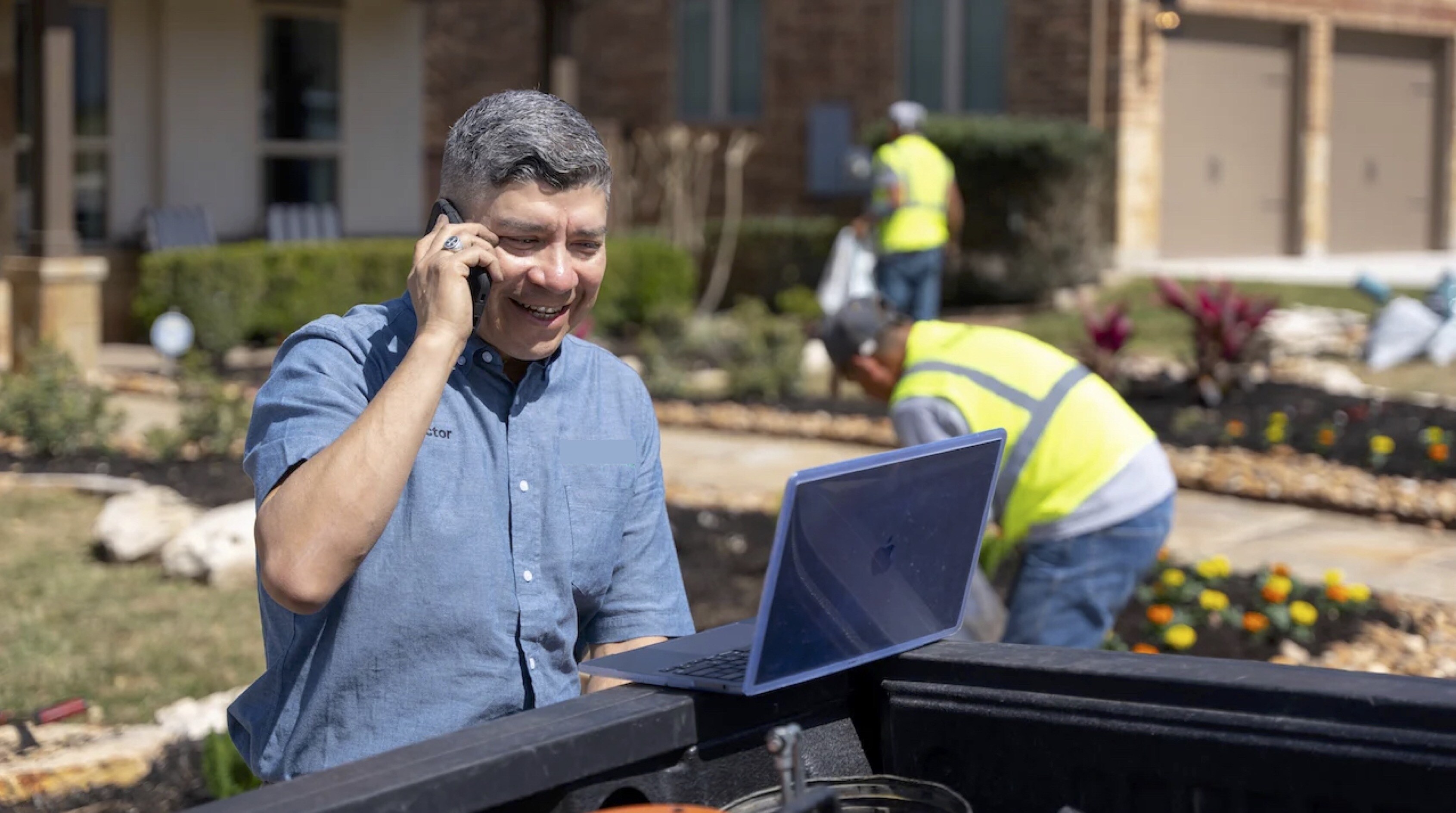
"I like what you are suggesting for the rear corner, but logistically, access to a large excavator isn't possible, and a small one will take days and days to do it. Perhaps you could suggest...."
"The new front brick fence looks great; however, the engineering will mean a continuous footing will need to go under the existing driveway, and so we will need to rip part of the driveway up, and when we repour the concrete, the colour will likely not match. What you could suggest is...."
The benefits of the landscape team sharing their expertise in creating a realistic design that will work are enormous. Re-design later, budget blowouts, etc are all avoided.
You might not hear these conversations, but you will be the beneficiary of them.
How Collaboration Makes Your Project Easier
It is surprisingly common to hear homeowners say:
"We had a beautiful design created, gave it to a landscaper for pricing… and nearly fell off our chairs when we saw the cost."
This situation often arises from the traditional sequence of Step 1 – Design, Step 2 – Landscaping.
A designer may create something visually compelling, but without construction input, it can sometimes prove difficult, or unnecessarily expensive, to build.
When the design is then handed to a landscaper, they are placed in the position of trying to adjust the design to make it feasible. They may suggest alternative materials, simplify elements, or rework parts of the layout to suit the site conditions.
Yet this is not really their role. A landscaper’s expertise lies in construction, not redesigning someone else’s vision. When this happens, the responsibilities of designer and landscaper begin to blur.
However, when designers and landscapers collaborate early in the process, something far more effective occurs.
- Creative ideas become grounded in practical reality.
- Costs evolve progressively and in a controlled way, rather than appearing suddenly and unexpectedly.
- Drainage and structural considerations are integrated into the design from the beginning, rather than retrofitted later.
- Site access and construction sequencing are anticipated before problems arise.
- The needs of the external contractors are coordinated within the design framework.
This is the Whyte Gardens Tandem Approach. The designer and landscaper move forward side by side, each contributing their expertise as the design develops.
The result is a plan that is not only inspiring but also practical, achievable, and aligned with the client’s goals.
Two disciplines, working independently yet in harmony, and fit together seamlessly to bring the garden to life.
A continuous conversation
In Tandem Landscaping, the designer and landscaper do not operate in isolation.
Instead, they remain in constant dialogue.
As the garden designer refines details, the landscaper assesses the feasibility of each.
As the landscaper identifies site realities, the designer adapts the design thoughtfully.
And when someone like an engineer provides input, both the designer and the construction team respond accordingly.
This synergy continues throughout the entire construction process.
The designer remains involved to preserve the creative intent of the garden design.
The landscaper leads the site delivery, coordination, and execution in keeping with the vision.
Together, they protect the integrity of the outcome.
The result? A better outcome
When landscaping is approached in this synergistic way:
- The design always remains cohesive.
- The build remains practical.
- Costs are considered and controlled early.
- External suppliers are integrated into the process smoothly.
- Permits and engineering are coordinated efficiently.
- The finished garden feels intentional rather than merely assembled.
The strength lies in the team effort of Tandem Landscaping.
Not just the designer alone.
Not just the landscaper alone.
But in how they work together, seamlessly.
Tandem: a summary
Tandem Landscaping is not about overlapping roles.
It's about complementary expertise, the integration of the two disciplines into a unified flow.
The designer brings vision, structure, and creative leadership.
The landscaper brings practicality, costing clarity, and build intelligence.
When both operate side by side from the beginning, the result is a garden that is:
- Beautiful
- Buildable
- Financially aligned
- Technically resolved
- And seamlessly delivered
Like a dovetail joint, it holds together beautifully because it was shaped to fit, right from the start.
Isn't this how you would like your new garden project to flow?
Frequently asked questions
Is your tandem approach more expensive than alternative approaches?
Not at all. In fact, it can be less expensive. Tandem means that, instead of the traditional design-first, landscape-second approach, some of the landscape planning doesn't wait until after the design is finished. Instead, it is developed during the design process, saving time and therefore money.
Does it mean I am locked into landscaping with the same contractor?
Not at all. While we would love to construct your garden, the design is still the design. It is a standalone element on its own. Any costing or advice gathered along the way is incorporated into the design. The design is yours to take to anyone, but of course, we would prefer it if you worked with us to complete the garden vision you already entrusted to us.
Do other companies offer this service?
We are sure there must be others out there who may do this, but at this point in time, we are unaware of them.
A final word
The greatest advantage of this collaborative approach is that it significantly reduces the risk of costly surprises later.
Too often, homeowners invest in a beautiful design only to discover that parts of it are impractical, unnecessarily expensive, or difficult to construct once pricing begins.
When design and construction thinking develop together from the beginning, those issues are resolved early, long before construction begins.
The result is not only a better garden, but a far more confident journey for the client.
Talk to us about it. We are happy to help explain how it all works.
Ultimately, we look forward to the opportunity of creating something truly special for you.
And next...
For many people, there is a question they would like to ask but, for whatever reason, hold back from asking.
For you, what is the one thing that you would like to ask?
You can ask our website CHAT to find the answers you seek: Ask Ivy, our AI assistant