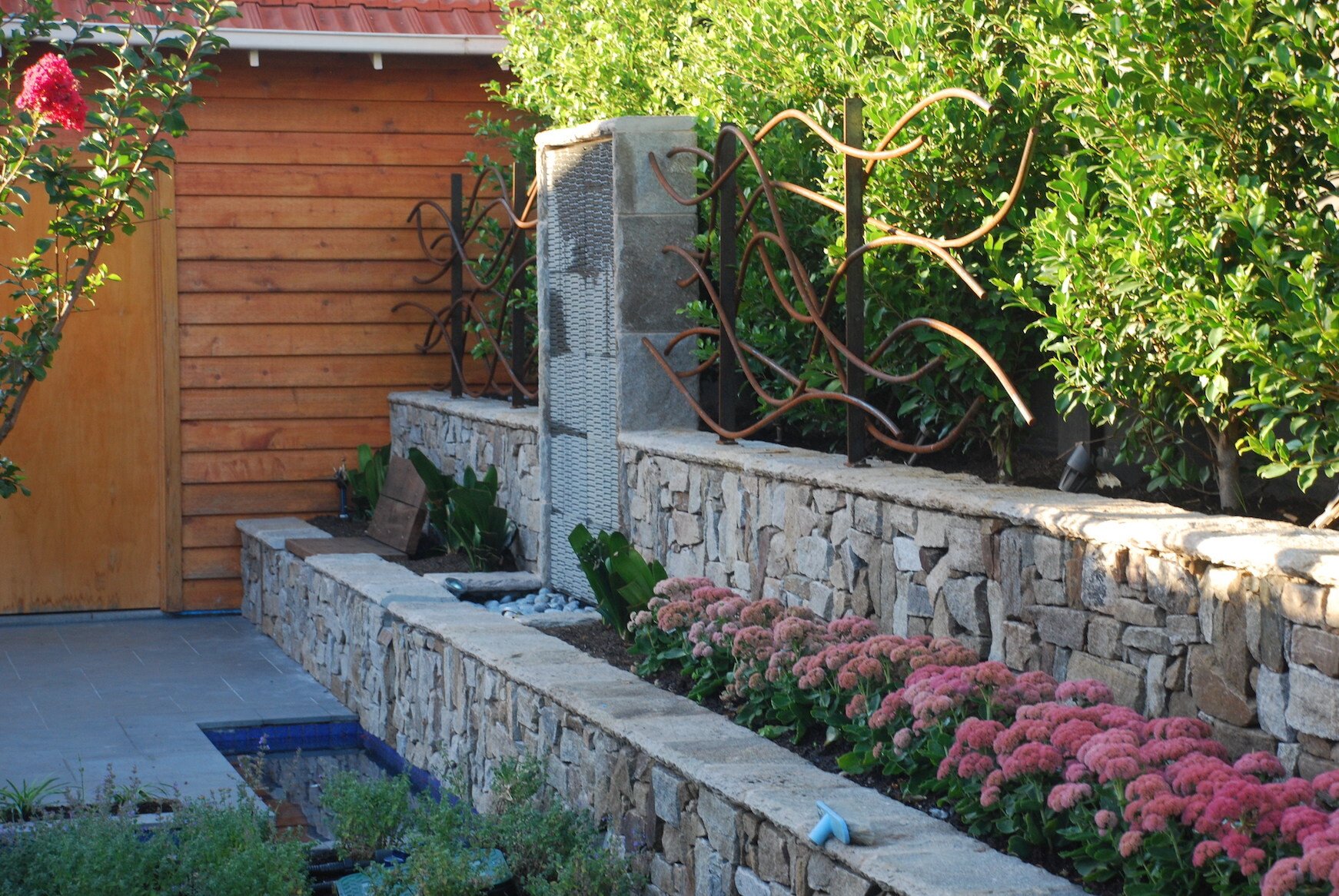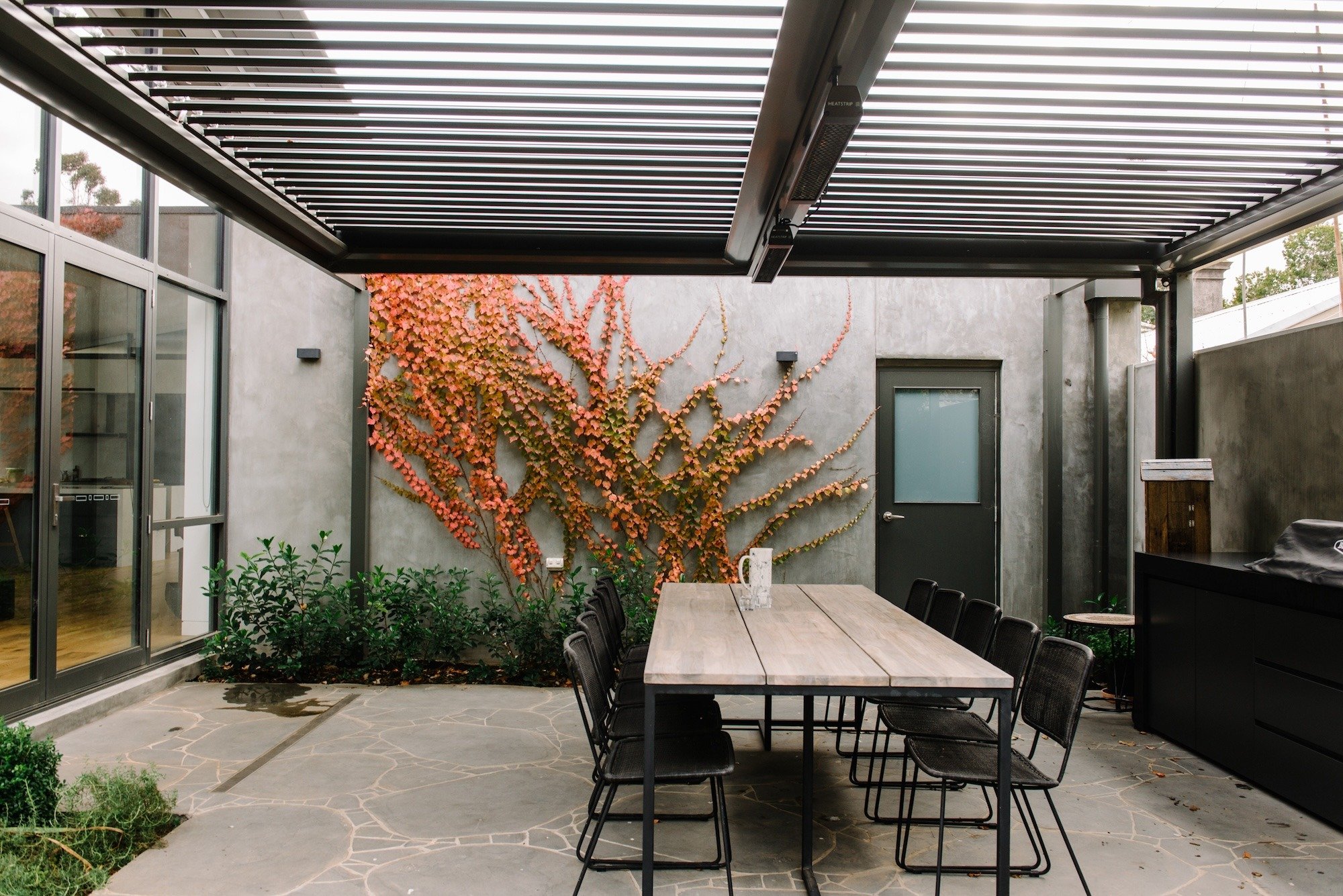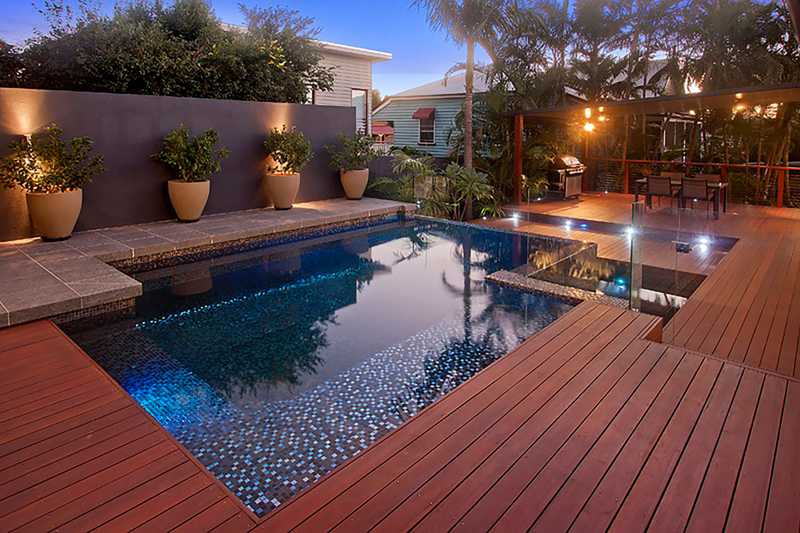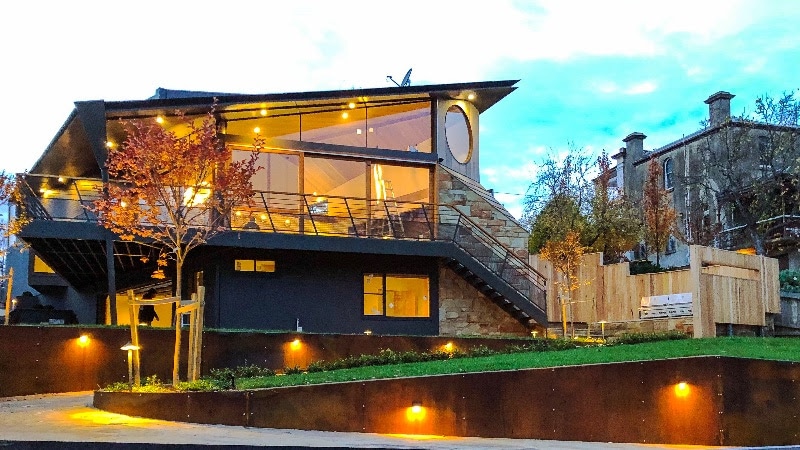


Every great garden begins long before the first stone is laid or the first plant is placed in the ground .
For many Melbourne homeowners planning a luxury landscaping project, the process often starts with scattered ideas rather than a fully formed vision.
You might imagine a pool for summer entertaining, a pergola for shade, or a lush garden that softens the architecture of your home. These ideas often arrive in small fragments of inspiration gathered over time.
The role of landscape design is to bring your ideas together into a cohesive outdoor space that reflects how you want to live.
In high-end garden design projects across Melbourne, the most desirable gardens are rarely the result of a single idea. Instead, they emerge through a process of shaping lifestyle, architecture, and environment into one unified vision.
The first layer: the things you want in your new garden
Often your new garden story will start with physical elements you want in yours.
Practical things that are easy to define and describe.
You might say:
- “We’d love a pool.”
- “It would be great to have a deck or a pergola.”
- “The driveway really needs replacing.”
- “A veggie garden would be nice.”
These ideas are tangible. They are easy to picture because they are individual garden features.
But on their own, they don’t yet form a garden.
They are simply smaller pieces of a bigger picture.
The second layer: the garden style you imagine
Once you have considered the physical elements you want in your garden, you might begin thinking about style.
Often you will find yourself drawn to a particular look or style of garden.
Perhaps, in your case, you might envisage:
- A coastal garden that feels light and relaxed
- A Mediterranean courtyard filled with stone and olive trees
- A contemporary landscape with strong architectural lines
- A low-maintenance garden still with classic features
Style helps to shape the character of a garden.
It will influence the materials and plants you choose, and the colours and textures you will want around you.
But even style alone doesn’t complete the full story.
The third layer: how you want your garden to work
A garden isn’t just about appearance; it must complement your lifestyle and embrace the way you live, entertain and relax.
So the next layer involves the functionality of your proposed garden.
Questions such as:
- Where and how will you entertain family and friends?
- Can it comfortably host twelve people for dinner outside?
- Where will the children play?
- Could there be a fire-pit retreat at the back of the garden?
At this stage you begin to connect your optimum lifestyle with the space the garden will embrace.
Your ideas will shape how the garden will actually be used.
The fourth layer: the feeling you want to get from your garden
Beyond the features and functionality of your garden, lies something more subtle.
Something that is not necessarily easy to define, but is easy to experience - the feeling you want your new garden to give you.
Some people describe gardens as feeling:
- Lush and immersive
- Relaxed and coastal
- Structured and architectural
- Soft and natural with gentle curves
Others struggle to put their feelings into words.
They simply know how they want their garden to feel when they walk into it.
This emotional layer is often the most powerful.
It can be what turns a collection of elements in a garden, into a place people truly enjoy being in.
Where your garden designer enters the story
At this point, you may have a rich collection of ideas in your head, but they can be very scattered.
As detailed before, any garden can embrace:
-
Features
-
A style
-
Practical needs
-
Emotional preferences.
But these rarely exist all together as one cohesive vision.
This is where your landscape designer becomes invaluable.
A designer’s role is not to replace your ideas with theirs.
It is to extract your ideas and expand upon them.
To listen carefully.
To understand priorities.
To recognise patterns in what you, the client, is saying, and sometimes what you are not yet able to articulate.
Then comes the skill of translation.
The designer takes all of your thoughts, desires, and inspirations and begins shaping them into something coherent.
A concept design for your new garden.
One that not only reflects your vision but often enhances it.
Because along the way, the designer should contribute ideas that you may not have considered, ideas that strengthen the overall concept.
The moment where reality enters the garden design process
As your garden design develops, another important layer in the process begins to emerge.
Feasibility.
Every new garden must balance aspiration with reality.
Practical questions arise, such as:
- How much space is actually available or useable?
- How does your available budget influence the choices you will make?
- What garden elements will deliver the best return on investment?
- How do levels, drainage, or access affect the design?
This stage is not about reducing the dream or limiting the vision for your new garden.
Rather it is about shaping it intelligently so that what is imagined can actually be built.
A good designer ensures your new garden design remains exciting, while also ensuring it is achievable.
Bringing your new garden story to life
Once your new garden design is complete, the final chapter begins.
Construction of your actual garden.
This is where your landscaping team steps in.
Drawings become measurements.
Concepts become materials.
Ideas become physical space.
Stone is laid.
Timber is shaped.
Plants are positioned.
Slowly, what once existed only in conversation and contemplation begins to emerge in the real world.
Recognising you were always the author
It can be easy to assume that great gardens are created by designers alone.
But that is rarely the case.
The most beautiful and pleasurable gardens actually begin with you, the client.
Your ideas.
Your lifestyle.
Your aspirations.
A garden designer’s role is not to be the sole creative source.
It is to interpret the story you have been nurturing and telling yourself for some time, and give it form.
To organise all your scattered ideas into one cohesive vision.
To contribute insights that enhance and broaden the outcome.
And to ensure that when the garden is complete, you will happily look at it and say:
“Yes. That’s exactly what we imagined.”
Or hopefully, "Yes, that's even better than we imagined!"
Let us help you bring your garden vision to life...
Thank you for reading this. We hope it has been of help; that's what we are here to do.
If you would like to take the next step in your garden journey, please take a moment to book a free design consultation with us. Simply click the button at the top of the screen.
It doesn't cost you anything and there is no obligation. But it's a wonderful opportunity to meet with one of our landscape designers or landscape architects to discuss your project, bounce around some ideas and see if we might be the right fit for you.