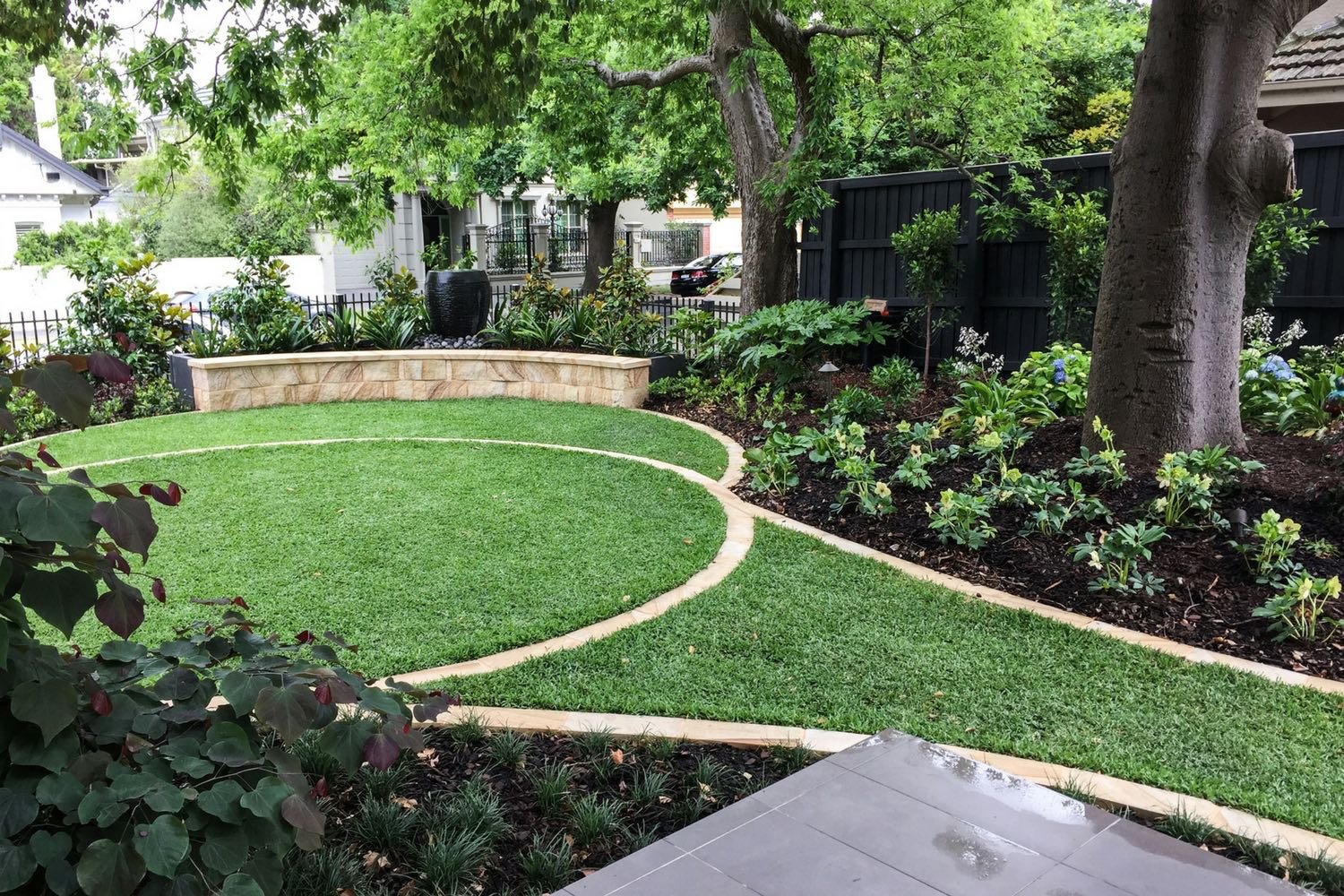


You're about to entrust your landscaping project to a designer, but how can you be confident you’ll be guided in the right direction?
Let’s explore where things can go wrong and how to avoid them.
The traditional approach to landscaping
The most common approach is a linear one: design first, then construction.
You engage a designer. Together, you create your dream garden. It looks fantastic — so you pass the plans to a landscaper for pricing.
Then the quote arrives… and the cost is far higher than expected.
At this point, after you have a 'wee dram' to recover, you think, "Where do we go from here?"
Typically, one of the following happens:
- The design is shelved as a "one-day" project
- Frustration builds between the client and the designer
- You ask the landscaper for suggestions to lower the cost
- You go back to your designer to revise it
- A new designer is engaged
- You go to the bank for more money
Why did this happen?
In simple terms, designers and landscapers operate with different expertise.
A designer’s strength lies in translating your ideas into a creative and inspiring vision. However, they are not typically responsible for purchasing materials or managing construction costs day-to-day.
While they may have a general sense of pricing, they are not always deeply connected to the realities of current construction costs.
This is why the traditional “design first, cost later” approach can lead to misalignment.
When can landscaping costs be known
There are milestone points where a budget can be established.
- At the brief stage. Once your requirements are clear, for example, a pool, louvred roof, outdoor kitchen, and planting, an experienced landscaper can provide an initial ballpark estimate.
You can also use tools like a Budget Estimator to establish a starting point.: Budget Estimator
2. At the Concept Design stage
At this stage, layout and scale are defined. While materials may not be finalised, areas and quantities are known, allowing for a reasonably accurate estimate.3. At the Master Plan stage
With materials and planting specified, a much more detailed and reliable cost estimate can be prepared.4. At the Working Drawings & Engineering stage
Once all technical details are resolved, a fixed contract price can be established with confidence.
The Whyte Gardens Tandem Approach difference
Over decades of experience, we’ve developed a more integrated way of working — the Tandem Approach.
Rather than separating design and construction, our design and landscape teams work together from the outset.
Our approach is:
-
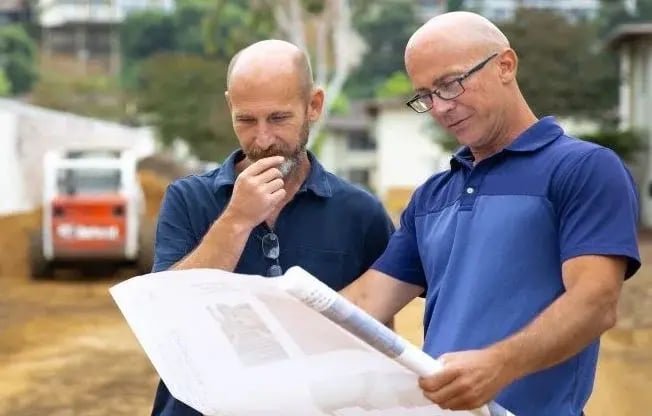
When a project needs to be measured, a designer will often take a senior landscape team member with them to help. This offers the landscape team the opportunity to point out 'technical' aspects to consider. This may be the access to the site, drainage consideration, tree root damage avoidance, etc.
- Before you see the concept design, our landscaping estimator is formulating the costings and reviewing the design from a landscaper's eye.
- Again, before you see the master plan, the estimator is refining the previous costs; now they are aware of the plants and materials to be used.
- Once you engage us to create working drawings and obtain engineering, the landscape team steps in to walk through the site with the designer so go over the plans and what is required moving forward.
How a budget blowout can occur during landscaping
Really, this comes down to three things.
- Provisional sums. These are costs with an allocated amount because the actual cost is yet unknown. For example, perhaps the landscaping needs to be started, but the engineering is not finalised yet. Then the engineering arrives, and because of poor soil conditions, the concrete footings are huge, and so the cost blows out.
- Client variations. As the project comes to life, it’s natural to want to add features or upgrade finishes. These changes can impact the budget if not planned for.
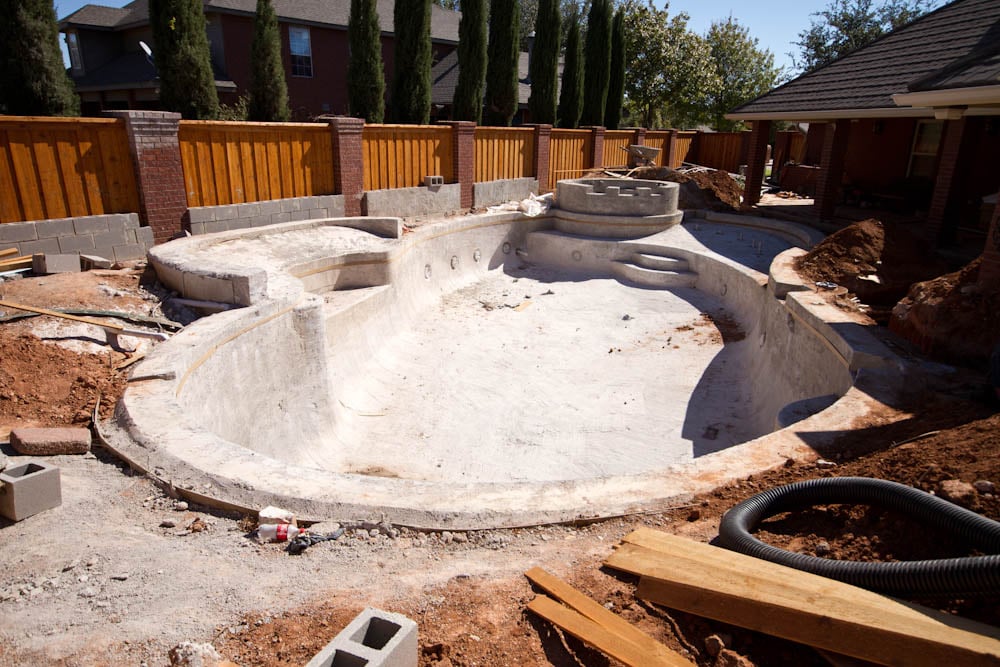
- Variations for the unknown. The most common event is finding things underground. Electrical cables that should be 600mm deep are 200mm; excavating the soil and you come across old concrete footings of walls no one knew about; Discovering your soil conditions are poor and so excavation requires more soil out and new soil in with drainage added.
A summary
The primary cause of budget stress is a lack of cost clarity early in the process.
When costs are considered alongside design — not after — you remain in control.
A well-managed budget is not a limitation; it’s what allows the project to move forward with confidence and clarity.
Frequently asked questions
Is your tandem approach more expensive than alternative approaches?
Not at all. In many cases, it can be more cost-effective. By integrating design and construction early, we reduce rework, delays, and inefficiencies.
Can variations be avoided?
While not every variable can be controlled, thorough planning and early collaboration significantly reduce the likelihood of unexpected changes.
And Finally…
Many people have a question they’d like to ask — but often don’t.
What’s the one thing you’d like clarity on?
You can ask Ivy, our AI assistant, anytime: Ask Ivy, our AI assistant