
Installing a swimming pool can be one of the best additions you will ever make to your garden. It creates a place for relaxation, entertaining, and family enjoyment, and when designed well, a pool can elevate the entire outdoor environment.
However, there are many decisions to consider before choosing the type of pool, its location, and how it integrates into your garden.
Below are some of the most important factors to think about when planning a pool for your Melbourne home.
1. Which Pool Is Right for You: Fibreglass or Concrete?
One of the first decisions you face as a homeowner is choosing between a fibreglass pool and a concrete pool.
Each option has its advantages depending on your priorities.
A quick summary of these are:
- Fibreglass pools tend to cost less, are quicker to install and are quicker to landscape around (as you don’t have to wait up to 28 days for the concrete to cure).
- Concrete pools however can be customised to any shape, be fully tiled (which looks nicer), can be elevated above the ground easily, and tend to look more elegant.
For a more in-depth look at the pros and cons of each pool type please read this article: Which is better in Melbourne – a fibreglass or concrete pool?
2. How Do Your Site Conditions Affect Your Pool Design?
There is a big difference between installing a pool on a flat block versus one a sloping site. Access to the site is also a consideration because a fibreglass pool often has to be lowered in with a crane.
If craning a fibreglass pool into your home is just too difficult, then a concrete pool may be the only option.
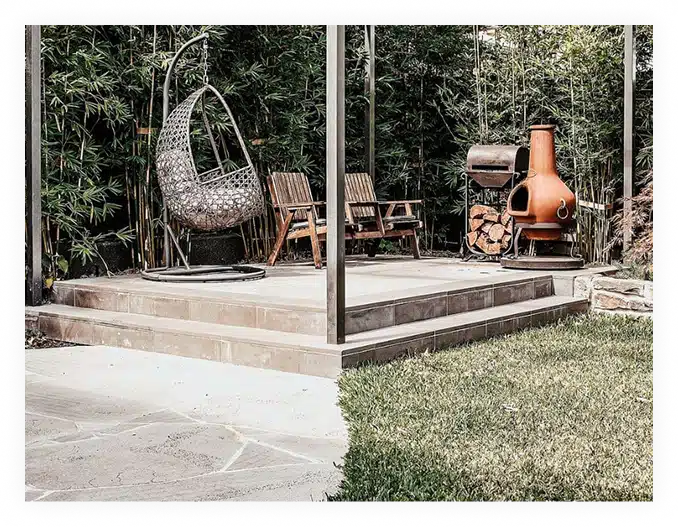
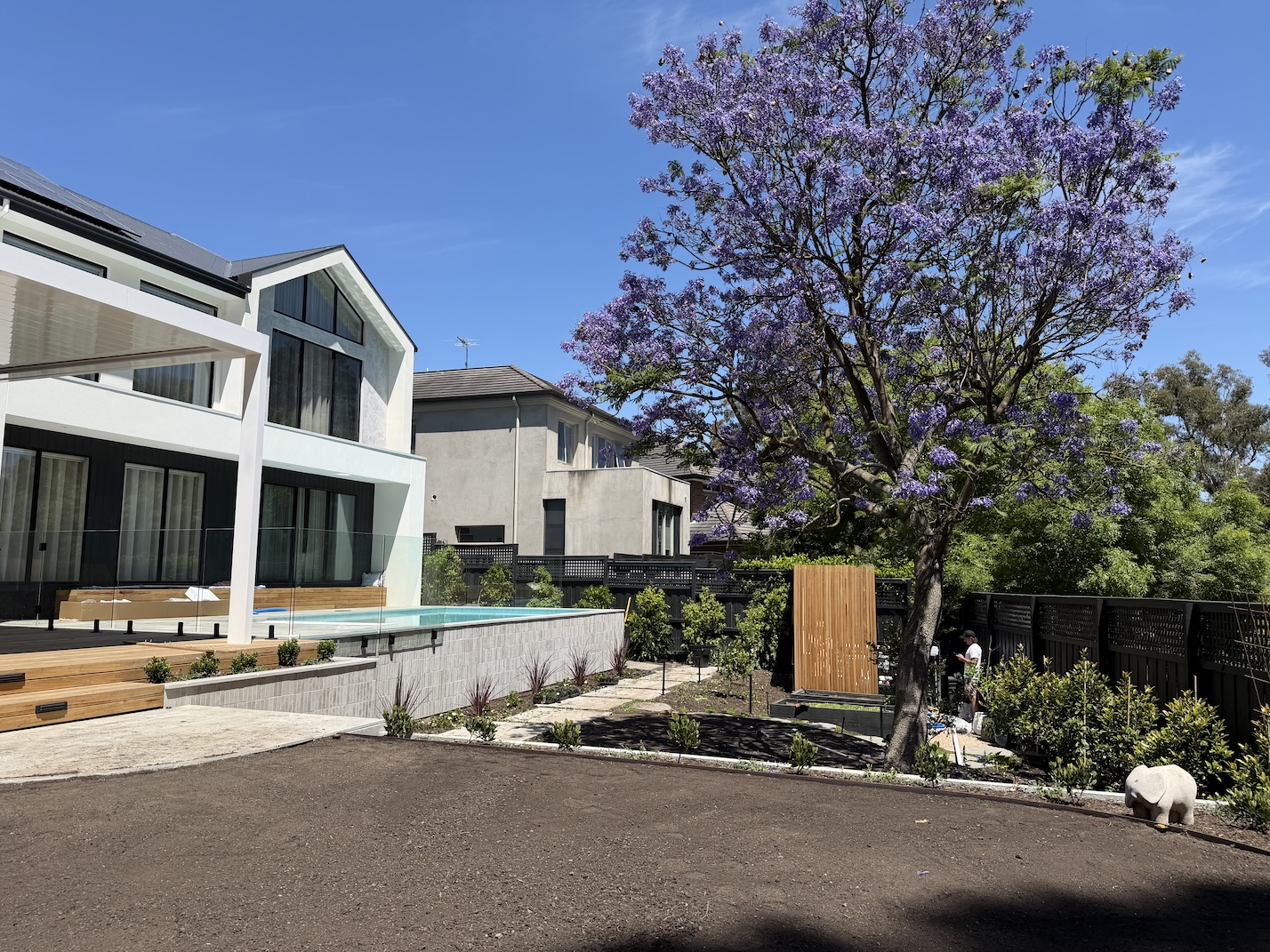
On sloping blocks, you may be able to have the pool out of the ground, as shown below, if you install a concrete pool. With a fibreglass pool you would need to build considerable retaining wall structures first.
Having your pool sit 1200mm or more above the ground means you don’t need a pool fence on that section, which can be very desirable.
3. What Is the Right Size Pool for Your Garden?
The final pool size for your garden should always be considered in relation to the overall space available.
A pool that is too large can dominate a garden and leave little room for entertaining, planting, or relaxation spaces.
Conversely, a pool that is too small may not meet your lifestyle needs.
A well-designed pool should feel in proportion to the garden, balancing the water, paving, planting, and usable outdoor areas.
Good landscape design ensures the pool becomes fully integrate into the overall outdoor space rather than simply being an isolated feature.
4. Should You Include a Spa?
In Melbourne’s climate, pools tend to be used mostly only during the warmer months.
A spa, however, can be enjoyed all year round.
For many homeowners, adding a spa creates an opportunity for:
- relaxation after a long day
- social gatherings with friends
- therapeutic benefits
A spa can also become a visually aesthetic feature when integrated thoughtfully into the pool design.
5. Are Health Benefits Important to You?
While many people install pools for recreation and family enjoyment, others are motivated by the health benefits of water-based activity.
Swimming and other water exercises offer:
- low-impact cardiovascular exercise
- rehabilitation and therapeutic benefits
- relaxation and stress relief
For some people, incorporating features such as a spa or swim jets can enhance these health benefits.
Understanding how you intend to use your pool will help shape both its design and features.
6. Should You Include a Beach Entry or Shallow Area?
A “beach area” or shallow entry zone within the pool has become increasingly popular alternative to only having steps to enter the pool.
This allows for you transition into the water more gradually and can be used for:
- relaxing in shallow water
- safe play areas for children
- lounging in submerged seating
Choosing this option also adds an architectural dimension to the pool design and can enhance the visual connection between the pool and the surrounding landscape.
7. Choosing the Right Pool Water System
1. Mineral Pools
Mineral pools have become increasingly popular in Melbourne due to the noticeably softer feel of the water and their potential therapeutic benefits, particularly when magnesium-based minerals are used.
These pools are often chosen by those seeking a more luxurious swimming experience. The water is gentler on the skin and hair, and many people find it more comfortable than traditional chlorine-based systems.
Best suited for: Those seeking a premium swimming experience, people with sensitive skin conditions such as eczema, or homeowners wanting a softer, more natural-feeling pool.
Advantages:
• Pool water feels softer and more comfortable on the skin
• Lower chemical levels required than with standard systems
• Potential wellness benefits from magnesium minerals
Considerations:
• Higher upfront setup costs
• Mineral cartridges require periodic replacement
2. Saltwater Pools
Saltwater pools are a very common and practical option across Australia. Rather than manually adding chlorine, a salt chlorinator converts salt into chlorine automatically to keep the water sanitised.
This system is vey popular because it simplifies maintenance and offers reliable water quality.
Best suited for: Homeowners looking for a convenient and cost-effective system with relatively low maintenance.
Advantages:
• Automatic chlorination reduces manual handling
• Generally lower running costs
• Consistent water sanitation levels
Considerations:
• Salt can contribute to corrosion over time if nearby materials are not suitable
• Care must be taken with certain metals, pool equipment, and surrounding finishes
3. Naked (Freshwater) Systems
Naked or freshwater systems use a combination of copper and silver ionisation with very low levels of oxidation to sanitise the water. The result is water that feels exceptionally clean and gentle – often described as feeling closer to natural freshwater.
These systems are becoming more popular among homeowners seeking a premium pool experience.
Best suited for: Those wanting the most natural-feeling water with minimal chemicals and reduced corrosion risk.
Advantages:
• Very low chemical use
• Reduced irritation to skin and eyes
• Significantly less salt or minerals required
• Environmentally friendly option
Considerations:
• Higher initial installation cost compared to standard systems
4. Traditional Chlorine Pools
Traditional chlorine pools rely on manual dosing with liquid or granular chlorine to maintain sanitation levels.
While this method has been used for many years and has a lower initial installation cost, it generally requires more ongoing maintenance and chemical management.
Best suited for: Situations where the lowest initial setup cost is the priority.
Advantages:
• Effective at quickly restoring water quality if a pool becomes contaminated or algae develops
Considerations:
• Higher ongoing chemical use
• Can be harsher on skin, eyes, and hair
• Requires more regular manual maintenance
8. How Do You Compare Pool Equipment Quotes from pool builders?
This is a common question. When you have more than one pool builder’s quote in front of you, it can be confusing to understand the difference between one system and another or even one brand against another.
First, you should ask the pool builder to explain the differences. Then, if you want an unbiased opinion, you could go to somewhere like a Poolwerx shop and ask for their opinion. Someone who looks after pool equipment can offer advice based on years of experience and what they’ve seen as best.
Variable Speed Pool Pump
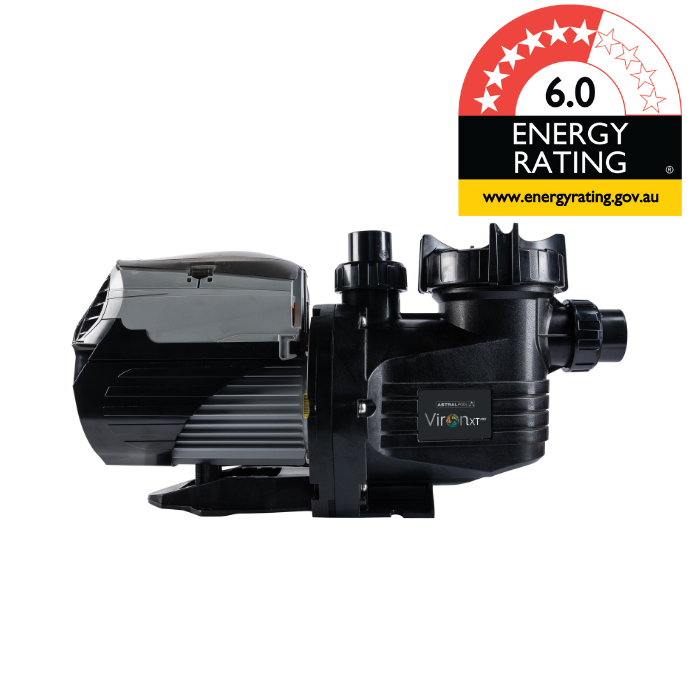
A variable-speed pool pump plays a central role in how your pool operates. It circulates water for filtration, supports cleaning systems, and is essential for heating.
So, which one should you choose?
That’s a topic in itself. Factors such as price, quality, & performance all come into play, much like choosing a car to buy.
A good approach is to seek multiple perspectives. Speak with your pool builder, but also consult a pool equipment servicing contractor to gain a broader understanding. Keep in mind that some builders may favour a particular brand based on what they typically install.
Filtration
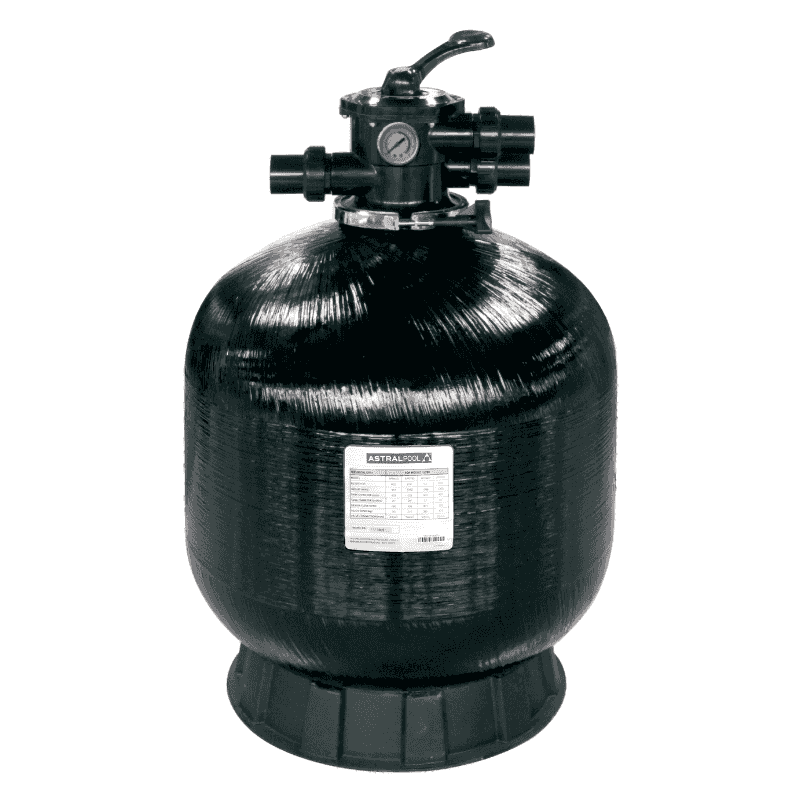 For most Melbourne pools, sand filters offer the best balance of low maintenance, high efficiency, and water savings, while cartridge filters are ideal for water-conscious households or smaller pools.
Things to consider are, water restrictions, pool size, leaf litter, etc.
Sanitization
The options are:
Salt Chlorinator: Converts salt into chlorine, providing a “natural” sanitation process.
Mineral Chlorinators: A popular alternative to traditional salt, adding magnesium for a more comfortable, skin-friendly swim
Visit a pool shop and discuss your needs to uncover what might be best for you.
Cleaning your pool:
Once your pool is installed, keeping it clean becomes part of everyday life, so it’s worth understanding the options available before you commit to a system.
The most basic method is manual cleaning, using a skimmer net to remove leaves and debris from the surface, along with a manual vacuum for the pool floor. This requires the most hands-on effort but comes with the lowest equipment cost, and many homeowners still do this as a top-up between automated cleans.
For a more convenient solution, in-floor cleaning systems use a series of pop-up jets built into the pool floor that direct debris toward the main drain. These systems work quietly behind the scenes and are particularly effective at keeping the pool consistently clean without much intervention, though they do add cost to the initial build and are easier to plan for during construction than retrofit later.
Robotic pool cleaners have become a popular middle-ground option. These are independent units you simply drop into the pool, and they scrub the walls and floor using their own filtration system, separate from your pool’s main filter. They tend to do a thorough job and are relatively easy to use, though the better-performing models come at a higher price point.
Finally, suction-side and pressure-side cleaners connect into your existing pool plumbing and use the pool’s pump (or a dedicated booster pump, in the case of pressure-side units) to move around the pool collecting debris. These sit in the middle of the cost spectrum and can be a practical option if you already have suitable plumbing in place.
As with pool equipment generally, the right cleaning system for you will depend on your pool size, budget, and how much manual involvement you’re happy to take on. It’s worth discussing this with your pool builder or a pool equipment specialist as part of your overall planning.
9. What Type of Pool Heating Is Best?
If you wish to extend your swimming season, pool heating may be worth considering.
Common heating options include:
- Electric heat pumps – A low-cost solution, but also slower to heat the pool
- Gas heating – ideal for heating on days you need it. It is quick but more costly to run. Access can cause this to be very expensive to install from the front garden.
- Solar tube heating systems – A very economical solution that should be considered as a good investment. But it really only performs on hotter days, as in Summer.
- Solar panel heating – great for consistent heating over Autumn and Spring, but does have a higher cost to set it up.
Each of these options has different installation costs, running costs, and heating performance.
Your choice will depend on how often you plan to use the pool and how quickly you want the water heated.
10. Should You Include a Pool Cover?
A pool cover can significantly improve the efficiency and practicality of owning a pool.
Benefits include:
- reduced heat loss
- lowered evaporation
- keeping debris out of the water
- reducing chemical usage
There are several different types of covers available, each with its own advantages.
Because this topic involves a number of considerations, we have written a separate article explaining all the options in detail.
Read more here: All you need to know about installing a pool cover roller
Bringing It All Together
Installing a pool is not simply about choosing a shape or material. Your decision involves balancing design, functionality, lifestyle needs, and practical considerations.
When thoughtfully integrated into a well-designed garden, a pool can become the centrepiece of an outdoor space that brings endless years of enjoyment.
If you are considering installing a pool as part of a new landscape project, take the time to explore all these factors early to help ensure the final result is both beautiful and practical.
One final important point
The most common mistake we see is people is choosing a pool and committing to having it installed before consulting with a landscape designer on what the rest of the garden might look like. This is a bit like building a garage and then asking an architect to design the house around it.
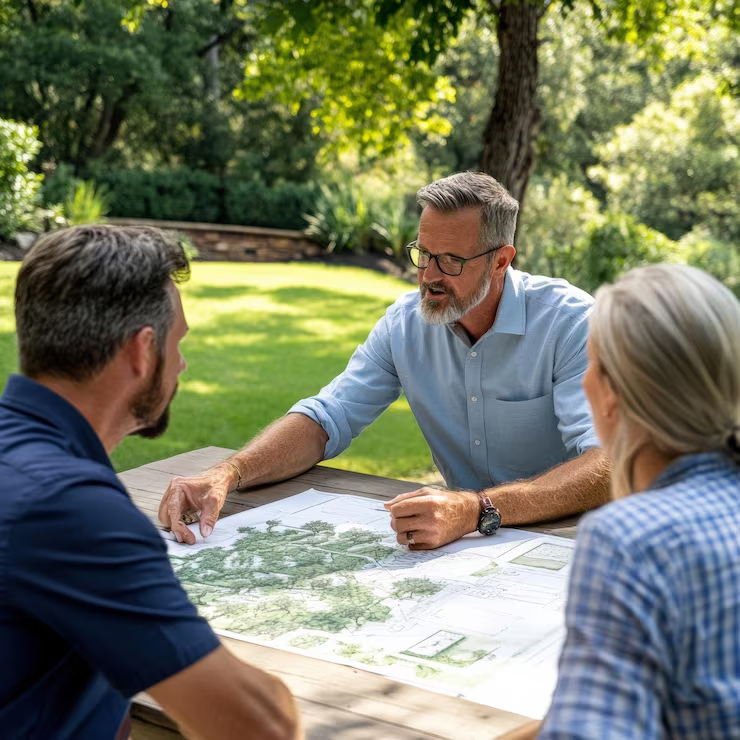
Always have a conversation with a landscape designer or landscape architect well before finalising your pool choice. Your garden designer will consider the project as one holistic design incorporating your entire lifestyle and all your other garden needs, not just the pool.
Frequently asked questions
Do you build pools?
No. We design gardens then source the right pool builder for you and coordinate with them throughout the garden design and build phases.
Do you help us select the pool equipment?
No. There is much technical knowledge, and this is best sourced directly from those who best understand it.
Will you specify an in-ground pool, pool fencing and the like?
Yes. As part of our complete garden design service, we will work with you on selecting the various pool surrounding requirements throughout the design phase.
Until next time…
Thank you for reading this, and I hope it has been of help.
Andrew Whyte